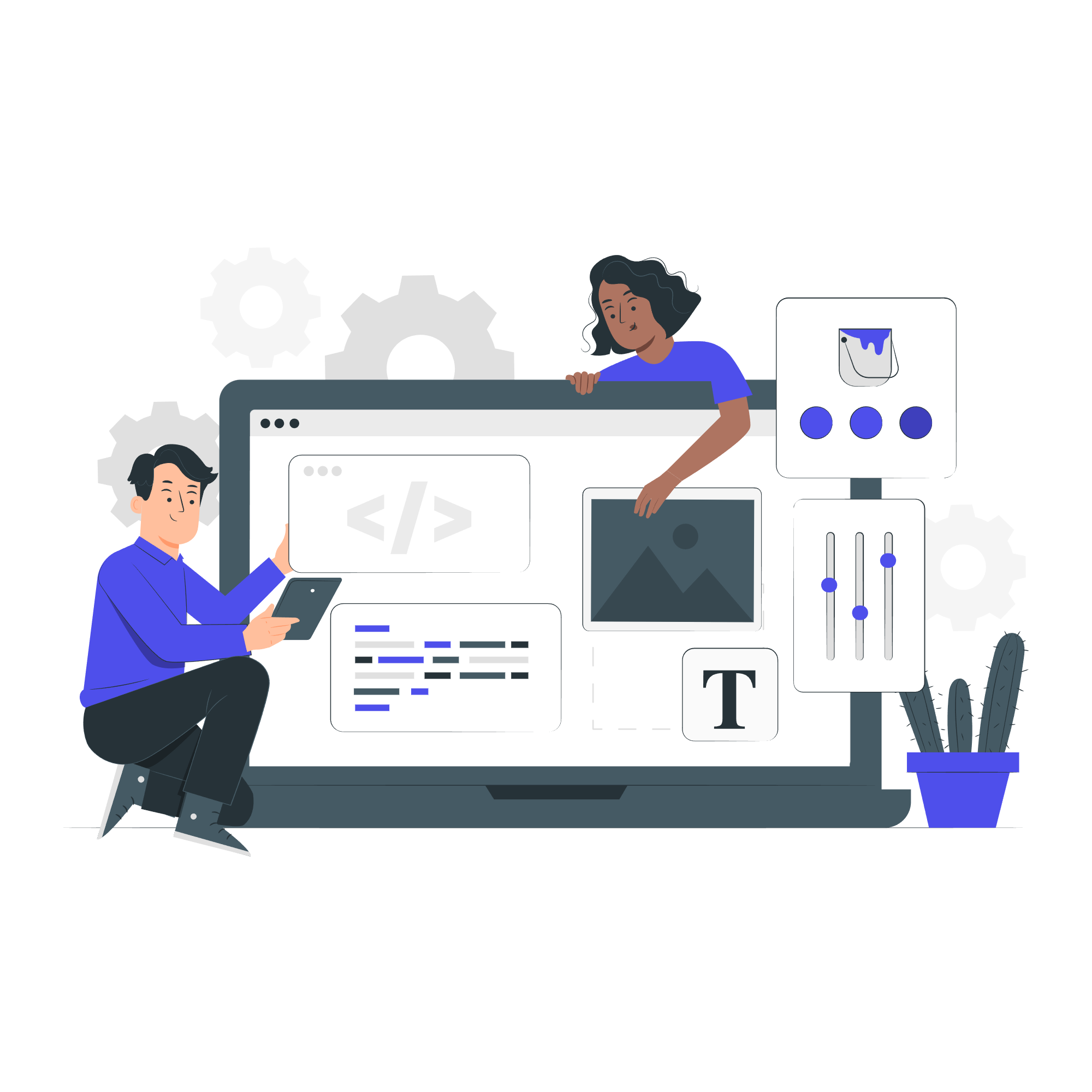
A internet space for your business, where success begins online.
Creating a custom solution for a business website can significantly enhance your online presence and provide a platform for growth.
By implementing these custom solutions, you can effectively kickstart your online business and provide a seamless experience for your customers.
Key Features
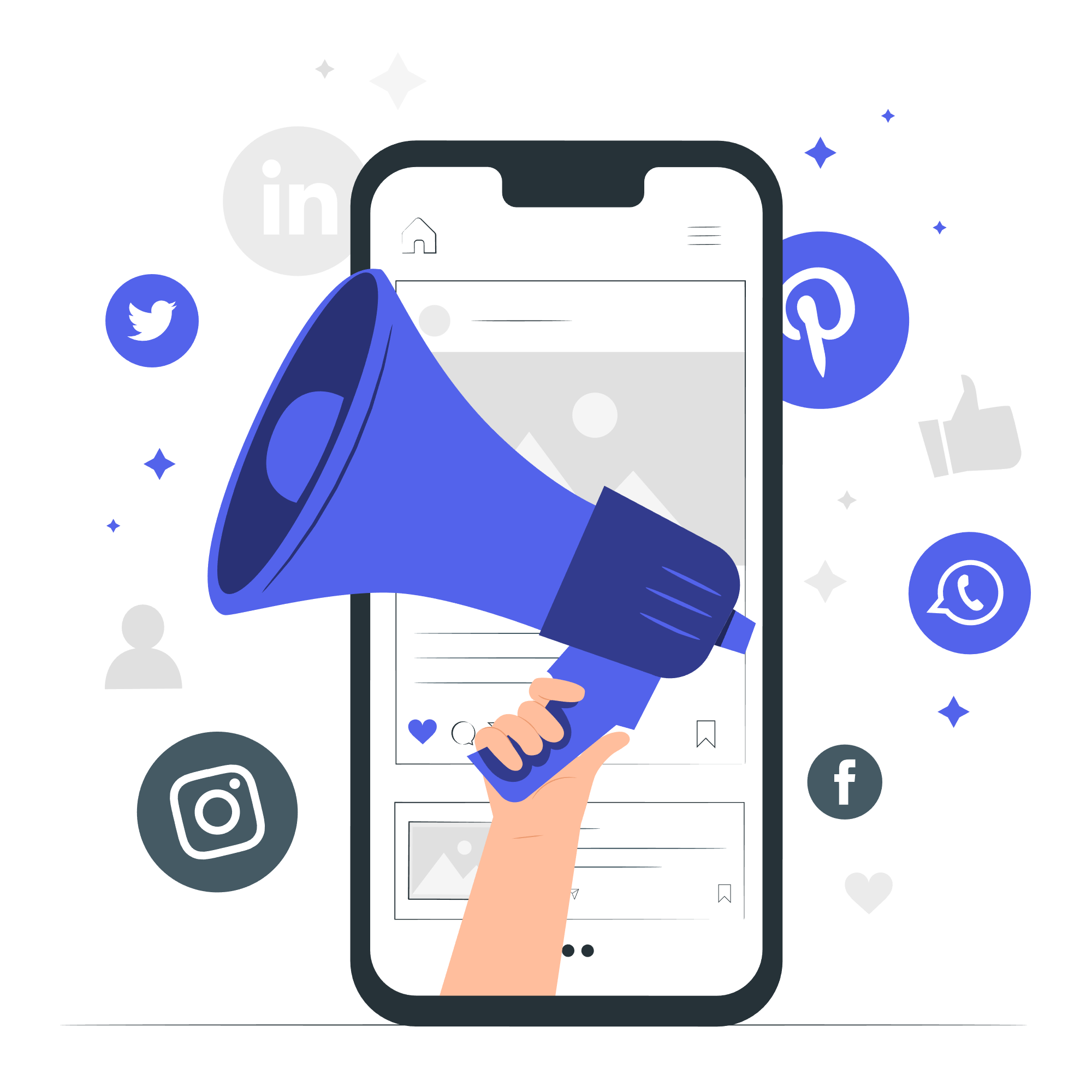
A digital marketing solution for your business, where success begins online.
Crafting a tailored digital marketing strategy can significantly boost your online presence and drive business growth.
By utilizing these customized marketing solutions, you can effectively enhance your online visibility and deliver a seamless experience for your target audience.
Key Features
An app development solution for your business, where innovation begins.
Developing a custom app can significantly enhance your business operations and provide a unique platform for customer engagement.
By leveraging these app development solutions, you can effectively streamline your processes and deliver a seamless experience for your users.
Key Features

Harnessing the Power of AI
The Future of Digital Marketing: Harnessing the Power of AI
In the rapidly evolving landscape of digital marketing, Artificial Intelligence (AI) has emerged as a game-changer, transforming how businesses interact with customers, optimize campaigns, and make data-driven decisions. By leveraging AI, marketers can enhance efficiency, personalization, and effectiveness of their strategies, ultimately driving better results. This blog delves into the integration of AI in digital marketing, its benefits, applications, and future trends.
Understanding AI in Digital Marketing
Artificial Intelligence encompasses a variety of technologies, including machine learning, natural language processing, and data analytics, which enable machines to perform tasks that typically require human intelligence. In digital marketing, AI is used to analyze vast amounts of data, predict consumer behavior, automate processes, and personalize customer interactions.
Benefits of AI in Digital Marketing
- Enhanced Data Analysis
- AI can process and analyze large datasets at an unprecedented speed, providing valuable insights into customer behavior, preferences, and trends. This enables marketers to make informed decisions and tailor their strategies accordingly.
- Personalization at Scale
- With AI, marketers can deliver highly personalized content and recommendations to individual users based on their past behavior and preferences. This level of personalization enhances user experience and increases engagement and conversion rates.
- Automation of Routine Tasks
- AI-powered tools can automate repetitive and time-consuming tasks such as email marketing, social media posting, and customer segmentation. This allows marketers to focus on more strategic activities and improves overall efficiency.
- Predictive Analytics
- AI algorithms can predict future trends and customer behaviors based on historical data. This helps marketers to anticipate customer needs, optimize campaigns, and allocate resources more effectively.
- Improved Customer Insights
- AI can analyze customer feedback from various sources, including social media, reviews, and surveys, to provide deeper insights into customer sentiment and preferences. This helps businesses to improve their products and services.
Applications of AI in Digital Marketing
- Content Creation and Curation
- AI can assist in generating content for blogs, social media, and advertisements. Tools like Copy.ai and Writesonic use AI to create compelling copy based on user input. Additionally, AI can curate content by recommending relevant articles and media to users, enhancing their engagement with the platform.
- Chatbots and Customer Service
- AI-powered chatbots provide instant, 24/7 customer support, handling inquiries and resolving issues without human intervention. These chatbots can be integrated into websites, social media platforms, and messaging apps to enhance customer service and satisfaction.
- Email Marketing
- AI can optimize email marketing campaigns by analyzing user behavior and preferences to send personalized emails at the optimal time. Tools like Mailchimp use AI to suggest subject lines, content, and send times, improving open and conversion rates.
- Ad Targeting and Optimization
- AI enhances the precision of ad targeting by analyzing user data and behavior to deliver personalized ads to the right audience. Platforms like Google Ads and Facebook Ads use AI to optimize ad placements, bidding strategies, and creatives, maximizing ROI.
- SEO and Content Optimization
- AI tools like Clearscope and MarketMuse analyze top-performing content and provide recommendations to improve SEO. They suggest relevant keywords, content structure, and readability improvements to enhance search engine rankings.
- Social Media Management
- AI-driven social media tools like Hootsuite and Buffer analyze engagement metrics to recommend the best times to post, optimal content formats, and trending topics. This helps businesses to maximize their social media presence and engagement.
Future Trends in AI-Driven Digital Marketing
- Voice Search Optimization
- With the increasing popularity of voice assistants like Siri, Alexa, and Google Assistant, optimizing for voice search is becoming crucial. AI can help businesses understand natural language queries and optimize their content for voice search.
- Visual and Video Recognition
- AI-powered image and video recognition technologies are advancing, allowing businesses to analyze visual content and gain insights into user preferences. This can be used to create more engaging visual content and enhance user experience.
- Advanced Personalization
- AI will continue to enhance personalization by integrating more data sources, including IoT devices and wearable technology. This will enable hyper-personalized marketing campaigns that cater to individual user preferences and behaviors in real-time.
- AI-Generated Content
- AI-generated content is expected to become more sophisticated, producing high-quality articles, videos, and graphics that are indistinguishable from human-created content. This will streamline content production and allow marketers to focus on strategy and creativity.
- Predictive Customer Service
- AI will enable predictive customer service by anticipating customer issues before they arise and providing proactive solutions. This will enhance customer satisfaction and loyalty by addressing potential problems early.
- Ethical AI and Data Privacy
- As AI continues to play a significant role in digital marketing, ethical considerations and data privacy will become increasingly important. Businesses will need to ensure that their AI-driven practices are transparent, fair, and compliant with data protection regulations.
Implementing AI in Your Digital Marketing Strategy
- Identify Objectives and Use Cases
- Start by identifying the key objectives you want to achieve with AI, such as improving customer engagement, increasing conversion rates, or optimizing ad spend. Determine the specific use cases where AI can add value to your marketing efforts.
- Choose the Right Tools
- Research and select AI-powered tools that align with your objectives and use cases. Consider factors such as ease of use, integration capabilities, and scalability when choosing AI tools for your marketing stack.
- Collect and Analyze Data
- AI relies on high-quality data to deliver accurate insights and predictions. Ensure that you have robust data collection mechanisms in place and use AI to analyze this data for actionable insights.
- Start Small and Scale Gradually
- Begin with small AI projects to test their effectiveness and refine your approach. Once you have proven the value of AI in specific areas, gradually scale up your AI initiatives to cover more aspects of your digital marketing strategy.
- Monitor and Optimize
- Continuously monitor the performance of your AI-driven marketing activities and optimize them based on real-time data and feedback. Regularly update your AI models and algorithms to ensure they remain effective and relevant.
# WebSync Solution
 INDIA ❤️